


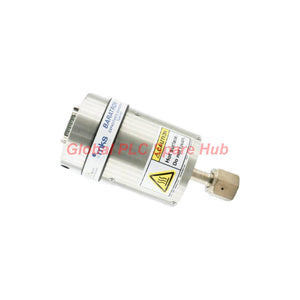
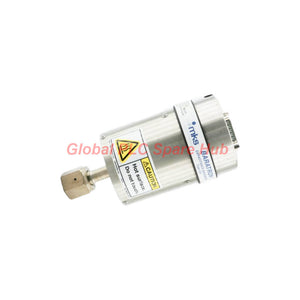
631A13TBEH3 MKS Instruments 631A Series Precision Vacuum Sensor
Manufacturer: MKS Instruments
Product No.: 631A13TBEH3
Condition: متوفر بالمخزون
Product Type: Heated Pressure Transducer
Product Origin: USA
Payment: T/T, Western Union
Weight: 500g
Shipping port: Xiamen
Warranty: 12 months
تقدير أوقات التسليم: 12-26 يومًا (دوليًا)، 3-6 أيام (الولايات المتحدة).
يجب الإرجاع خلال 30 يومًا من الشراء. الرسوم والضرائب غير قابلة للاسترداد.
دفع آمن ومضمون
MKS Instruments 631A13TBEH3 Baratron Heated Pressure Transducer
The 631A13TBEH3 is an MKS Instruments Baratron® 631A Series heated capacitance manometer. It measures absolute pressure in vacuum systems that require stable, repeatable process monitoring. Its heated sensor design helps reduce condensation and material buildup when process gases contact the sensing chamber.
This model provides a 1,000 Torr full-scale range and a stated accuracy of ±0.25% of reading. It uses a linear 0–10 VDC analog output and requires ±15 VDC power. These characteristics make it suitable for semiconductor process equipment and other controlled vacuum applications.
1. Model Identification and Configuration Breakdown
The complete ordering code identifies the sensor family, pressure range, material configuration, accuracy class, and heater-related option. The available model information supports the following breakdown:
| Code Segment | Configuration | Technical Interpretation |
|---|---|---|
| 631A | Product series | MKS Baratron 631A Series heated absolute capacitance manometer. |
| 13T | Pressure range | 1,000 Torr full scale, approximately 133.3 kPa. |
| B | Wetted-material configuration | The supplied configuration information identifies Inconel® construction for the sensing chamber and diaphragm. |
| E | Accuracy option | ±0.25% of reading, as specified in the supplied product information. |
| H3 | Heater-related option | Heater temperature and interface configuration code. Confirm the exact factory definition before replacement or ordering. |
Configuration verification: The H3 suffix may identify an equipment-specific heater or interface configuration. Do not assume a specific setpoint, connector pinout, or mechanical interface from the suffix alone. Verify these details against the equipment BOM or the applicable MKS configuration record.
2. Technical Specifications
| Parameter | Specification |
|---|---|
| Manufacturer | MKS Instruments |
| Product Family | Baratron® |
| Series | 631A |
| Model | 631A13TBEH3 |
| Product Type | Heated absolute capacitance manometer / pressure transducer |
| Full-Scale Pressure | 1,000 Torr |
| Approximate Pressure Equivalent | 133.3 kPa |
| Accuracy | ±0.25% of reading |
| Output Signal | 0–10 VDC, linear analog output |
| Power Supply | ±15 VDC |
| Sensing Construction | Inconel® wetted construction, according to the supplied configuration information |
| Overpressure Rating | 45 psia, as stated in the supplied product information |
| Heating Configuration | H3 option; exact temperature and interface require confirmation |
3. Measurement Principle and Process Value
The Baratron capacitance manometer measures pressure through changes in capacitance. Pressure acts on a thin sensing diaphragm and changes its position relative to a reference electrode. The resulting capacitance variation is converted into an electrical signal.
- Absolute pressure measurement: The sensor references an internal vacuum cavity rather than relying on atmospheric pressure.
- Gas-independent measurement: Capacitance measurement responds to mechanical pressure on the diaphragm. It does not depend on gas thermal conductivity or ionization behavior.
- Analog process integration: The 0–10 VDC output provides a continuous signal for compatible process controllers and pressure monitoring systems.
- Heated sensor operation: Temperature control helps limit condensation and deposits from process gases on internal sensing surfaces.
For applications involving condensable or reactive process gases, the heated configuration can help maintain measurement stability. However, actual compatibility depends on gas chemistry, temperature, pressure, and the complete wetted-material specification.
4. Typical Equipment Applications
- CVD equipment: Monitors chamber pressure during deposition processes where stable pressure feedback supports recipe control.
- Etching systems: Supplies pressure feedback for vacuum control and process repeatability.
- Semiconductor vacuum platforms: Supports pressure monitoring in process chambers and associated vacuum assemblies.
- High-purity gas processes: Provides absolute pressure measurement where gas-independent sensing is important.
- Industrial vacuum systems: Supports process monitoring where a heated sensing element helps reduce condensation-related measurement problems.
5. Installation and Commissioning Considerations
Correct installation protects the sensing diaphragm and helps the instrument deliver reliable pressure feedback. Confirm the following points before placing the transducer into service.
- Verify mechanical compatibility: Check the mounting interface, sealing arrangement, and available installation clearance against the equipment drawing.
- Check process-gas compatibility: Confirm that the process chemistry is suitable for the specified wetted materials. Do not rely on the alloy name alone for compatibility approval.
- Confirm heater requirements: Verify the H3 temperature setting, power requirements, and connector arrangement before connecting the sensor.
- Check electrical supply: Provide the specified ±15 VDC supply and confirm polarity and wiring against the applicable pinout.
- Validate the analog interface: Confirm that the receiving controller accepts a 0–10 VDC signal and uses the correct pressure scaling.
- Allow thermal stabilization: Follow the equipment and manufacturer procedures before evaluating measurement accuracy.
- Check the pressure response: Compare the sensor output with a suitable reference instrument during commissioning.
Never apply process pressure beyond the specified overpressure limit. Also avoid mechanical shock, contamination, or unapproved cleaning methods that could affect the sensing diaphragm.
6. Selection and Replacement Guidance
When replacing a 631A-series pressure transducer, matching the full-scale range alone is not sufficient. Engineering teams should compare the complete configuration before approving a substitute.
- Pressure range: Confirm the 1,000 Torr full-scale range and the operating pressure window of the process.
- Accuracy: Check that the replacement meets the required accuracy specification across the actual operating range.
- Heater configuration: Match the heater setpoint and control arrangement. A different thermal configuration may affect process compatibility.
- Wetted materials: Verify the diaphragm and chamber materials against the process-gas specification.
- Electrical interface: Confirm supply voltage, output scaling, connector type, and pin assignment.
- Mechanical fit: Check mounting dimensions and sealing details before installation.
For equipment-specific configurations such as H3, use the complete part number and the original equipment documentation during procurement. This reduces the risk of receiving a sensor with a similar range but an incompatible heater or connection arrangement.
7. Maintenance and Fault Diagnosis
| Observed Condition | Possible Check | Recommended Action |
|---|---|---|
| Pressure reading drifts after startup | Thermal stabilization and heater operation | Confirm the heater reaches its specified operating condition before evaluating the reading. |
| Controller reading differs from the reference gauge | Output scaling and analog input configuration | Check the 0–10 VDC conversion and controller engineering-unit settings. |
| Reading changes after process maintenance | Possible contamination or process residue | Inspect the installation and review the process-gas exposure history. |
| Output remains fixed or becomes unstable | Power supply, wiring, and signal input | Verify the ±15 VDC supply and signal connections before condemning the sensor. |
Do not open the sealed sensing assembly or attempt field adjustment without an approved service procedure. Record the sensor output, reference pressure, heater status, and process conditions during troubleshooting. These measurements help separate sensor faults from wiring or controller problems.
8. Supply, Warranty and Shipping
- Product: MKS Instruments 631A13TBEH3 Baratron heated pressure transducer.
- Warranty: 12-month warranty.
- Shipping methods: FedEx, UPS, and DHL.
- Order verification: Please provide the complete model number and equipment requirements when requesting a quotation.
- Technical confirmation: Heater temperature, connector details, and equipment-specific configuration should be checked before order confirmation.
9. Frequently Asked Questions
Q1: What information should an engineer record before removing an installed pressure transducer?
Record the complete part number, wiring arrangement, controller scaling, heater behavior, and pressure reading under known process conditions. Photographs of the mounting interface and connector can also help prevent replacement errors.
Q2: How can a team determine whether an unstable reading comes from the sensor or the control system?
Compare the transducer output with an independent reference gauge while monitoring the controller input. If the analog output remains stable but the displayed value changes, investigate the input channel, grounding, wiring, and scaling first.
Q3: Should a replacement sensor be selected only by matching its 1,000 Torr range?
No. A matching range does not guarantee interchangeability. Engineers should also compare the heater configuration, accuracy class, wetted materials, output signal, supply requirements, connector, and mechanical interface.
Q4: What should procurement request when the H3 suffix is not fully documented?
Request the original equipment configuration record or a manufacturer confirmation of the heater setpoint, connector interface, and any equipment-specific options. This step is especially important when replacing a sensor in a qualified semiconductor process tool.
Q5: When should a pressure transducer be replaced instead of recalibrated or further investigated?
Consider replacement when the sensor cannot maintain its specified performance after external power, wiring, thermal, and controller issues have been ruled out. Before making the decision, review calibration history, process exposure, output stability, and the availability of an approved service procedure.
Tags
س: هل هذه الأجزاء أصلية وجديدة 100%؟
ج: نعم. نضمن أن كل مكون هو أصلي 100%، وجديد تمامًا، ومغلف من المصنع. كما نقدم ضمانًا شاملاً لمدة 12 شهرًا لراحتك.
س: ما مدى سرعة الشحن إلى بلدي؟
ج: بالنسبة للعناصر المتوفرة في المخزون، نقدم إرسالاً في نفس اليوم. وعادةً ما يتم التسليم عبر الشحن السريع الدولي (DHL/FedEx/UPS) في غضون 3-5 أيام عمل في جميع أنحاء العالم.
س: هل يمكنني الحصول على عرض أسعار رسمي يشمل تكاليف الشحن؟
ج: بالتأكيد. فريق المبيعات لدينا مستعد لتقديم فاتورة مبدئية (PI) مفصلة تتضمن أسعار الشحن الأكثر تنافسية لموقعك.
س: هل تقدمون خصومات للطلبات الكبيرة؟
ج: نقدم أسعارًا تعتمد على الحجم للمشاريع الكبيرة أو طلبات العناصر المتعددة. يرجى الاتصال بنا للحصول على ضمان أفضل الأسعار لدينا.
ضمان شامل لمدة 12 شهرًا
كل جزء توفره Global PLC Spare Hub مشمول بـ ضمان لمدة 12 شهرًا من تاريخ الفاتورة.
- التغطية: عيوب وظيفية وأعطال في الأجهزة في ظل ظروف التشغيل العادية.
- التزامنا: نقدم إصلاحًا فوريًا أو استبدالًا أو استردادًا كاملاً لأي مكونات معيبة تم التحقق منها لتقليل وقت التوقف التشغيلي لديك.
سياسة الإرجاع والاستبدال
نقدم سياسة إرجاع لمدة 30 يومًا لضمان حصولك على الجزء الدقيق الذي يتطلبه نظامك.
- الأهلية: تُقبل المرتجعات للعناصر غير المركبة في تغليفها الأصلي والمحكم الإغلاق من المصنع.
- عملية RMA: يرجى الاتصال بفريق الدعم لدينا للحصول على رقم ترخيص إرجاع البضائع (RMA) قبل الشحن.
- معالجة سريعة: تتم معالجة المبالغ المستردة أو الاستبدالات في غضون 3-5 أيام عمل بعد أن يجتاز العنصر المرتجع فحصنا الفني.
هل تحتاج إلى مساعدة فنية؟لست متأكدًا مما إذا كان هذا الجزء متوافقًا مع نظامك؟ [استشر مهندسينا] قبل الشراء لضمان التوافق بنسبة 100%.
اشترى الناس أيضًا


